
Closing Fees in Ontario Pre-Construction Projects: What Buyers and Developers need to know
Can new fees be added just days before closing? For many pre-construction buyers and developers in Ontario, this question has become increasingly important. Rising construction costs, project delays, and last-minute Statements of Adjustments can create unexpected financial pressures if the purchase price is not clearly defined.
In 2025, that issue came to a head in Bellisario v 2200 Bromsgrove Development Inc, 2025 ONSC 2546. Forty homebuyers were presented with unexpected closing charges of up to $100,000. The Ontario Superior Court of Justice stepped in and drew a clear line.
The Bellisario ruling provides important guidance for buyers, developers, and real estate lawyers. It confirms that developers cannot use vague contract language to shift core construction costs onto purchasers at the eleventh hour.
The Core Legal Principle: Price Certainty and Contractual Disclosure
In Ontario, a pre-construction purchase agreement is a contract. Buyers agree to pay a stated purchase price, subject only to adjustments that are clearly and transparently disclosed in the Agreement of Purchase and Sale.
The key principle affirmed in Bellisario is simple: if a fee is not clearly authorized by the contract, it cannot be enforced.
Developers are allowed to pass through certain third-party charges, such as fees paid to municipalities or regulated utility providers. However, they are not allowed to repackage their own construction costs and demand payment later under unclear labels.
Courts will interpret these contracts strictly, especially where consumer protection concerns are engaged.
The Bellisario Case: A Six-Figure Surprise at Closing
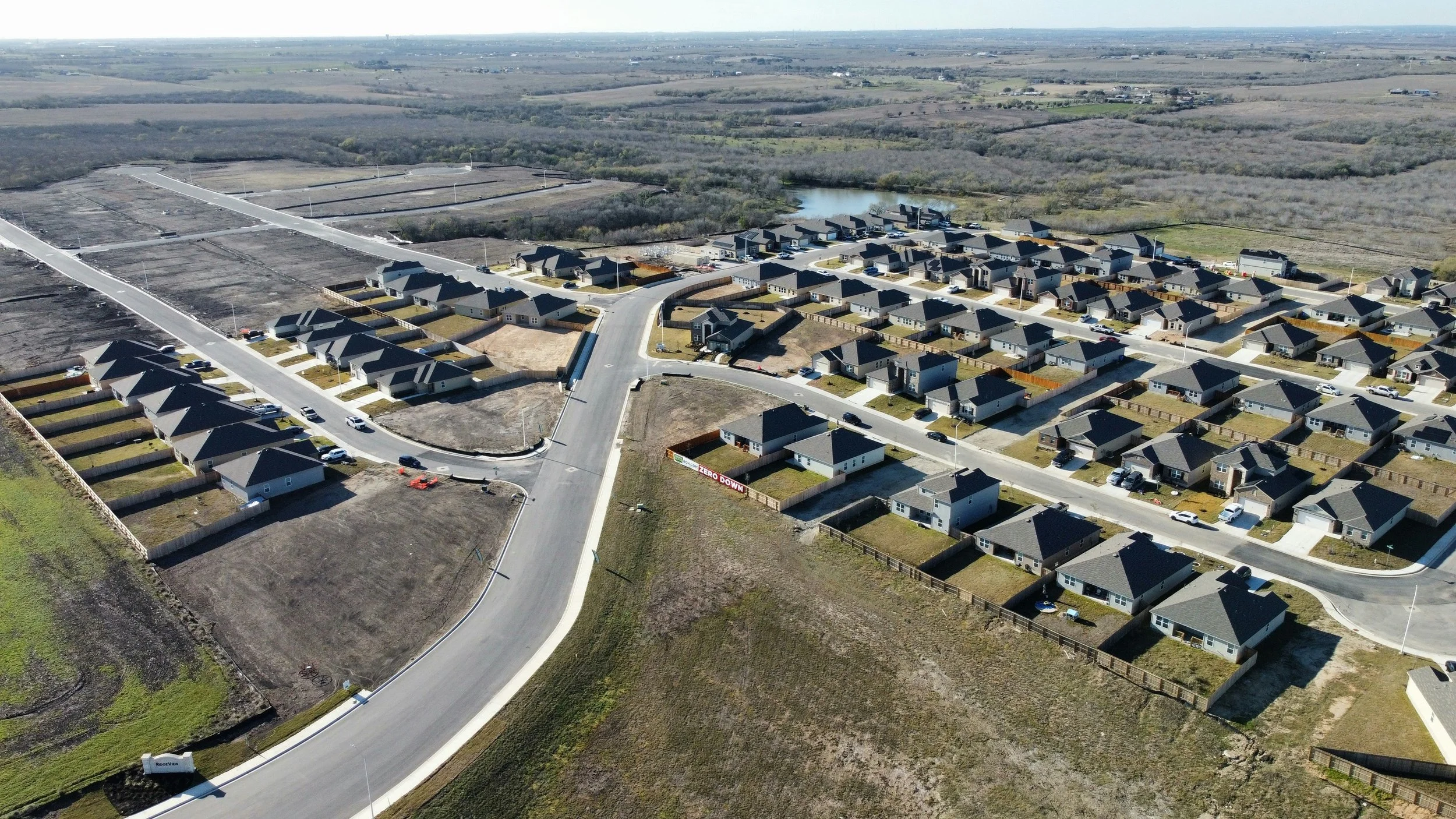
The dispute arose from a townhouse project near the Clarkson GO Station in Mississauga. Between 2019 and 2021, buyers entered into agreements to purchase homes priced between roughly $400,000 and $700,000.
As the project neared completion in 2025, the developer issued Statements of Adjustments that included new charges ranging from about $62,000 to over $111,000 per unit.
These charges were described as site energization and utility infrastructure costs. The developer claimed the purchase agreements allowed these amounts to be added at closing.
The buyers disagreed and brought the matter before the Ontario Superior Court of Justice.
Why the Buyers Won
Justice Papageorgiou rejected the developer’s position on several key points:
"Utility Service Providers" Have a Narrow Meaning
The developer argued that the contract allowed it to recover costs paid to a "utility service provider." It claimed this included private contractors, such as electricians, excavators, and other trades, hired to install infrastructure within the project.
The Court disagreed. A "utility service provider" refers to regulated public bodies, such as a local utility company or municipality. It does not include the developer’s own subcontractors. Costs paid to those contractors are part of the developer’s cost of doing business and must be built into the purchase price.
Transparency Is Mandatory
The Court emphasized that there is a strong public policy interest in clear pricing for residential real estate. Buyers must be able to understand what they are agreeing to pay when they sign the contract.
Vague wording cannot be used to hide major costs. If a fee is not clearly disclosed, buyers are not required to pay it.
Vendor’s Certificates Are Not Absolute
The developer relied on a Vendor’s Certificate stating that the adjustment amounts were correct and constituted sufficient evidence.
The Court held that "sufficient evidence" does not mean "unquestionable evidence." Where charges are improperly characterized or misleading, a Vendor’s Certificate will not protect the developer. The Court found that grouping internal construction costs under broad labels amounted to bad faith.
Financial Consequences for the Developer
The ruling’s impact:
● The developer was prohibited from collecting the disputed infrastructure charges.
● The Court ordered a detailed accounting of adjustments.
● The developer was ordered to pay approximately $88,000 toward the buyers’ legal costs.
The decision has since been cited in other Ontario cases, including Taheripouresfahani v Dormer Bond Inc, 2025 ONSC 5833, where a court found that demanding unauthorized closing fees amounted to a breach of contract.
Practical Lessons for Pre-Construction Buyers
What Buyers Should Watch For
● Large or unexplained increases in closing adjustments
● Broad terms like "site energization" or "infrastructure recovery"
● Charges that were not clearly itemized or capped in the contract
Steps Buyers Can Take
Review the adjustments section carefully before signing.
Ask your lawyer which fees are capped and which are not.
Push for clear limits on development charges and utility costs.
Do not assume last-minute charges are valid just because they appear on a Statement of Adjustments.
If you receive a demand for significant new fees, speak to a real estate lawyer immediately before closing.
What This Means for Developers
Bellisario is a warning. Courts expect developers to price their projects properly from the outset. Construction risk, inflation, and infrastructure costs are part of the business. They cannot be shifted onto buyers through creative wording after the fact. Clear drafting and full disclosure are legally required.
Conclusion
The Bellisario ruling is a major decision for Ontario’s pre-construction market. It confirms that buyers are entitled to price certainty and transparency. Developers cannot invent new fees at closing to cover costs they failed to price in earlier.
For buyers, the case reinforces the value of legal review before signing and before closing. For developers, it signals that courts will not tolerate vague contracts or surprise charges.